Crewed spacecraftFlown
Apollo CSM-103
Apollo Block II command and service module

Vehicle and mission dossier
Apollo 8
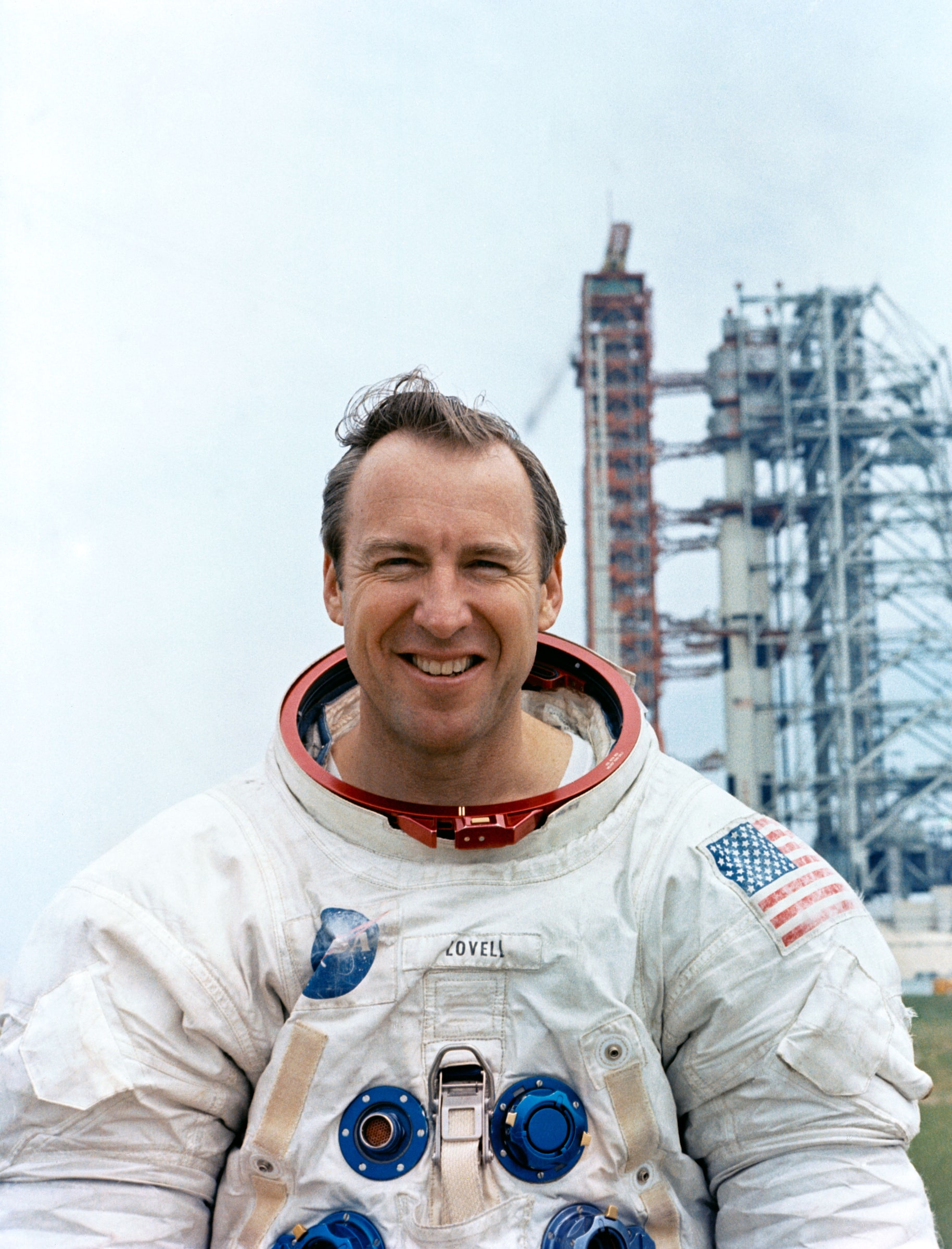
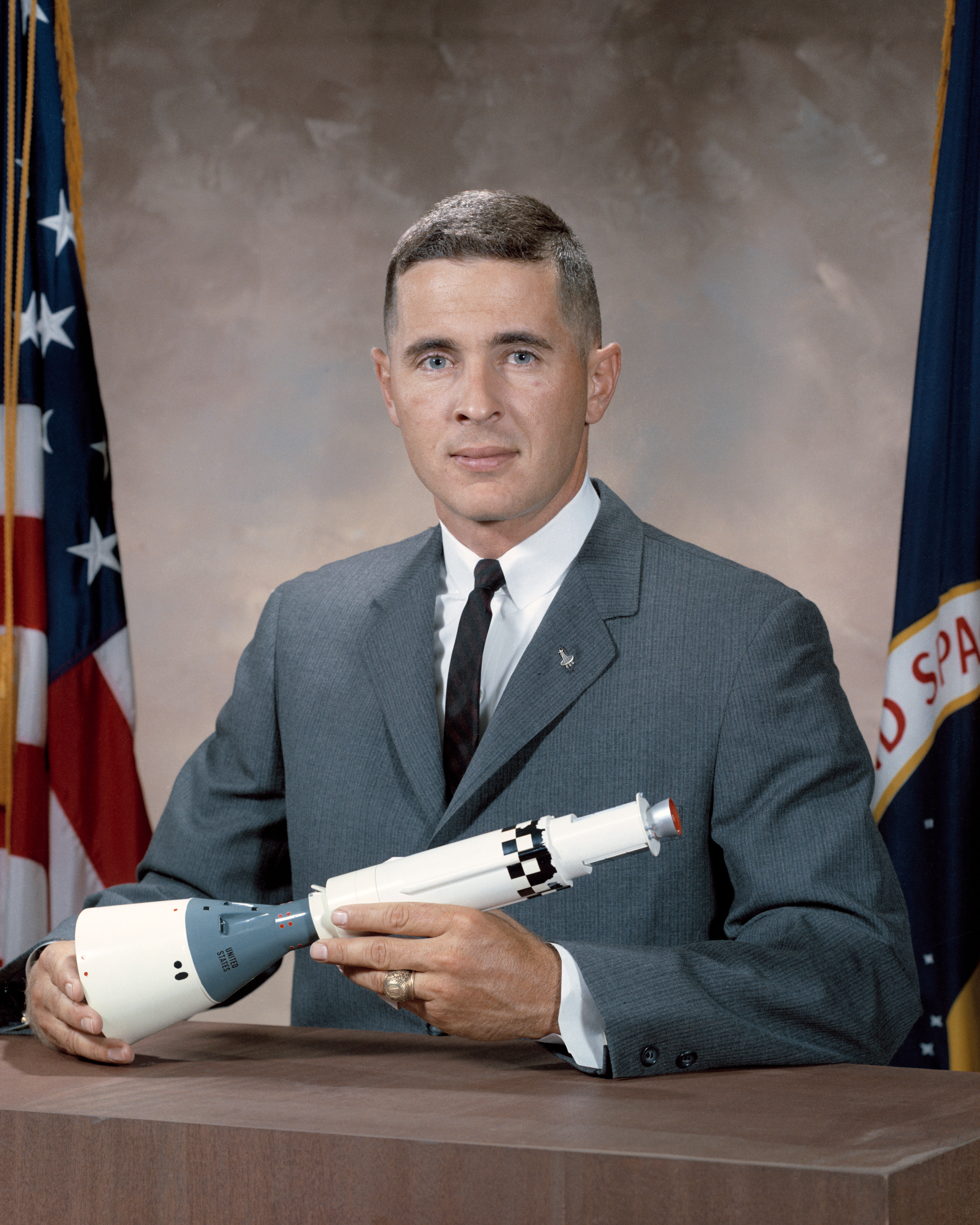
Apollo 8 was the first crewed mission to leave Earth orbit, travel to the Moon, and enter lunar orbit. Frank Borman, Jim Lovell, and Bill Anders completed ten lunar orbits, photographed potential landing sites, tested deep-space navigation and communications, and returned safely aboard command module 103. The flight produced the Earthrise photograph and proved the basic route later used by lunar landing missions.
Flight profile
- Launch
- December 21, 1968
- Landing
- December 27, 1968
- Mission duration
- 6 days, 3 hours, 42 seconds
Places and recovery
Vehicle record
- Manufacturer
- North American Aviation, Grumman, or Apollo program contractors
- Launch system
- Saturn V
- Mission status
- Completed
- Mission type
- Crewed lunar-orbit mission
- Launch vehicle
- Saturn V
- Program
- Apollo
- Crew complement
- 3
- Outcome
- Completed
- Archive classification
- Human spaceflight
- Primary objective
- First crewed mission to orbit the Moon
Flight objectives
- Demonstrate crewed translunar flight, lunar-, and return to Earth.
- Evaluate the command and , navigation, communications, and ground-support network in deep space.
- Photograph and visually assess prospective Apollo landing areas and lunar terrain.
- Perform a precise trans-Earth injection and high-speed from lunar distance.
Flight timeline
- December 21, 1968Apollo 8 launchesThe first crew to ride Saturn V began humanity's first voyage to another world.
- December 24First crewed lunar orbitBorman, Lovell, and Anders passed behind the Moon and completed lunar-.
- December 24Earthrise and Christmas Eve broadcastThe crew photographed Earth above the lunar horizon and addressed a worldwide television audience.
- December 27, 1968Pacific The command module returned at lunar-entry speed and was recovered by USS Yorktown.