
AstronautAtlas
Learn the story of spaceflightLoading AstronautAtlas records
AstronautAtlas
Learn the story of spaceflightLoading AstronautAtlas records
Space programs and missions · A guided course
Delivering what an orbital laboratory actually needs
Follow cargo from service contracts and constrained manifests through arrival, return and disposal, and examine what makes a supply route useful.
Suggested preparation is listed in the course · Start whenever you’re ready
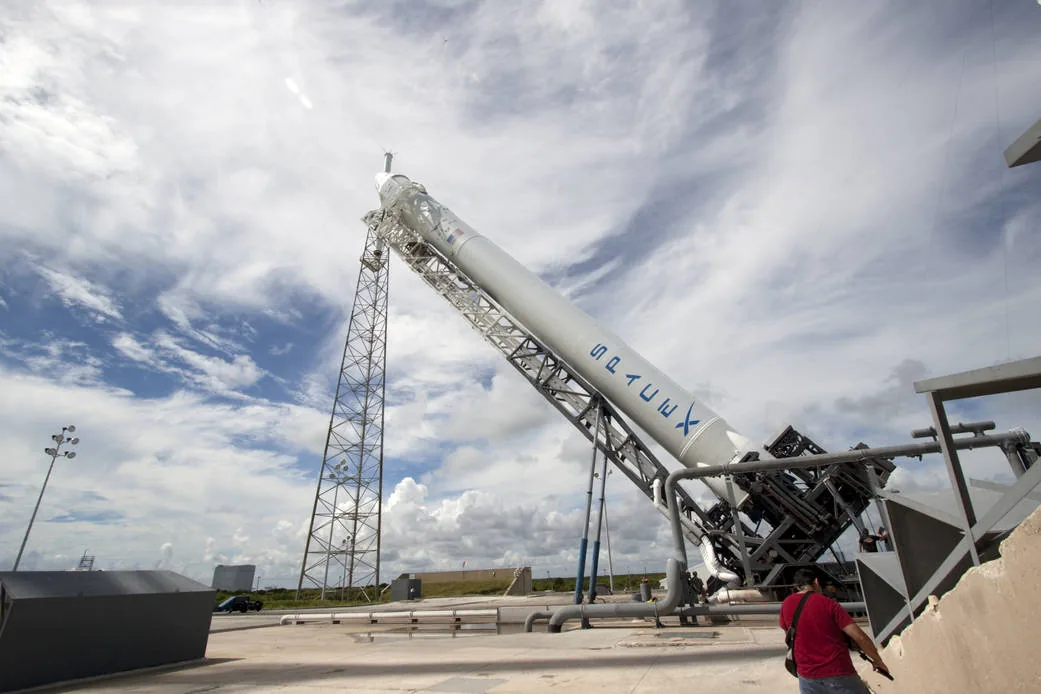
The Falcon 9 and Dragon are raised vertically at Space Launch Complex 40 for NASA's first contracted SpaceX resupply mission on October 7, 2012. Display image resized and compressed.
NASA/Jim Grossmann · Image sourceYour place in the bigger picture
Build on familiar ideas, then choose a direction to explore next. Every course remains open.
Building and sustaining a shared orbital laboratory
From development milestones to a working cargo capability
Commercial Resupply Services
Delivering what an orbital laboratory actually needs
Start whenever you’re ready. Preparation is suggested, and every course stays open.
No follow-on course currently lists this one as preparation. Explore another subject or revisit an idea that caught your interest.
Browse all courses →One suggested order from the foundations to Commercial Resupply Services. Shared starting points appear once; skip anything you already know.
— earned
Earn each reward once. Retries never cost points.
Loading saved points… View your learning awards →
Each lesson builds on the last. Read the story, explore the sources, and check your understanding.
0 of 4 lessons complete
No account is needed to learn. Your correct answers keep their earned rewards.
From the learning community
What worked for you? Help the next learner choose where to begin.
Loading reviews…
Sign in to review this course. Complete a lesson check and save it to your account first.
Languages are chosen by reviewers. Ratings above include all languages.