STS-26
Return to flight after Challenger and deployment of TDRS-3
STS-26 returned the Space Shuttle to flight 32 months after the Challenger accident. Discovery flew with redesigned solid-rocket- field joints, crew pressure suits, an emergency bailout system, and extensive hardware and management changes; the crew deployed TDRS-C, later designated TDRS-3, and completed a conservative four-day test and communications mission.
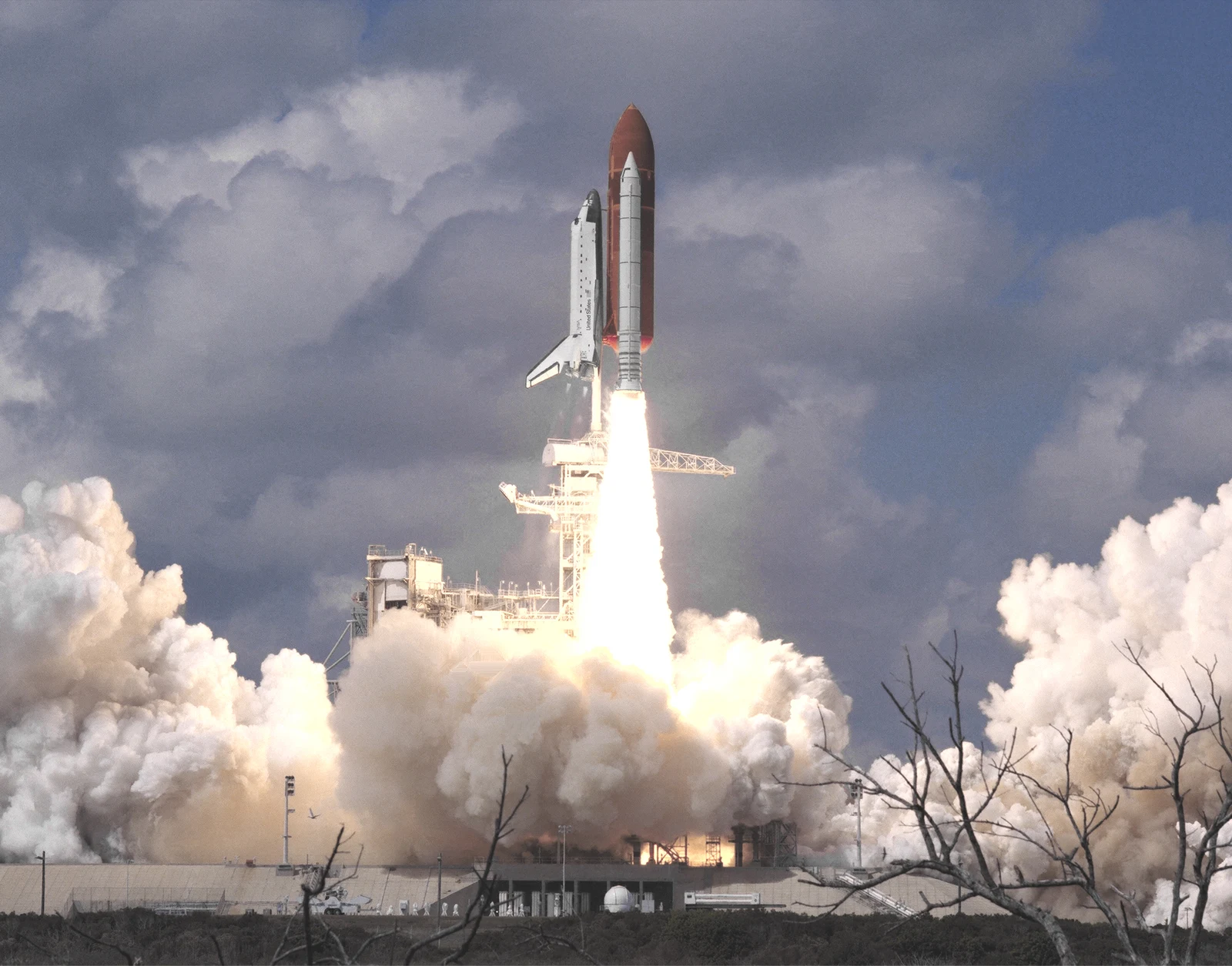
Mission dossier
Flight profile, locations, hardware, and outcome in the same reference format used throughout the archive.
Flight profile
- Launch
- September 29, 1988
- Landing
- October 3, 1988
- Mission duration
- 4 days, 1 hour, 11 seconds
- Orbits
- 64
- Inclination
- 28.45 degrees
Places and recovery
Mission record
- Mission type
- Return to flight and TDRS deployment
- Vehicle
- STS-26 flight stack
- Orbiter
- Space Shuttle Discovery (OV-103)
- Crew and station travelers
- 5
Assignment Manifest
The flight crew and the backup team assigned to train for this mission.
Prime crew
5 assignments David Carl Hilmersprime crewMission SpecialistLaunched September 29, 1988Returned October 3, 19884 days, 1 hour, 11 secondsMission Specialist aboard STS-26 flight stack.Open astronaut archive
 Frederick Hauckprime crewCommanderLaunched September 29, 1988Returned October 3, 19884 days, 1 hour, 11 secondsCommander aboard STS-26 flight stack.Open astronaut archive
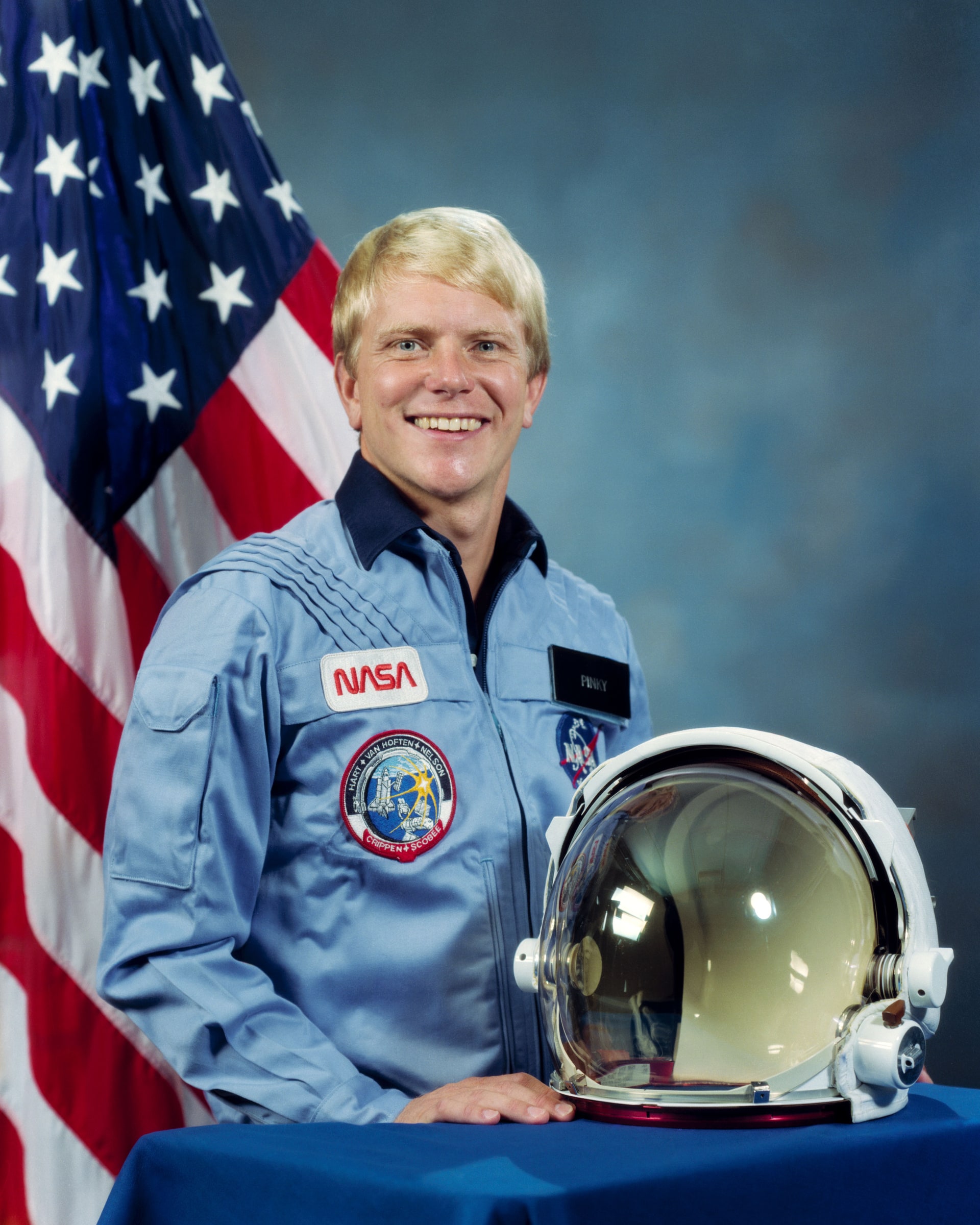 George D. Nelsonprime crewMission SpecialistLaunched September 29, 1988Returned October 3, 19884 days, 1 hour, 11 secondsMission Specialist aboard STS-26 flight stack.Open astronaut archive
 John Michael Loungeprime crewMission SpecialistLaunched September 29, 1988Returned October 3, 19884 days, 1 hour, 11 secondsMission Specialist aboard STS-26 flight stack.Open astronaut archive
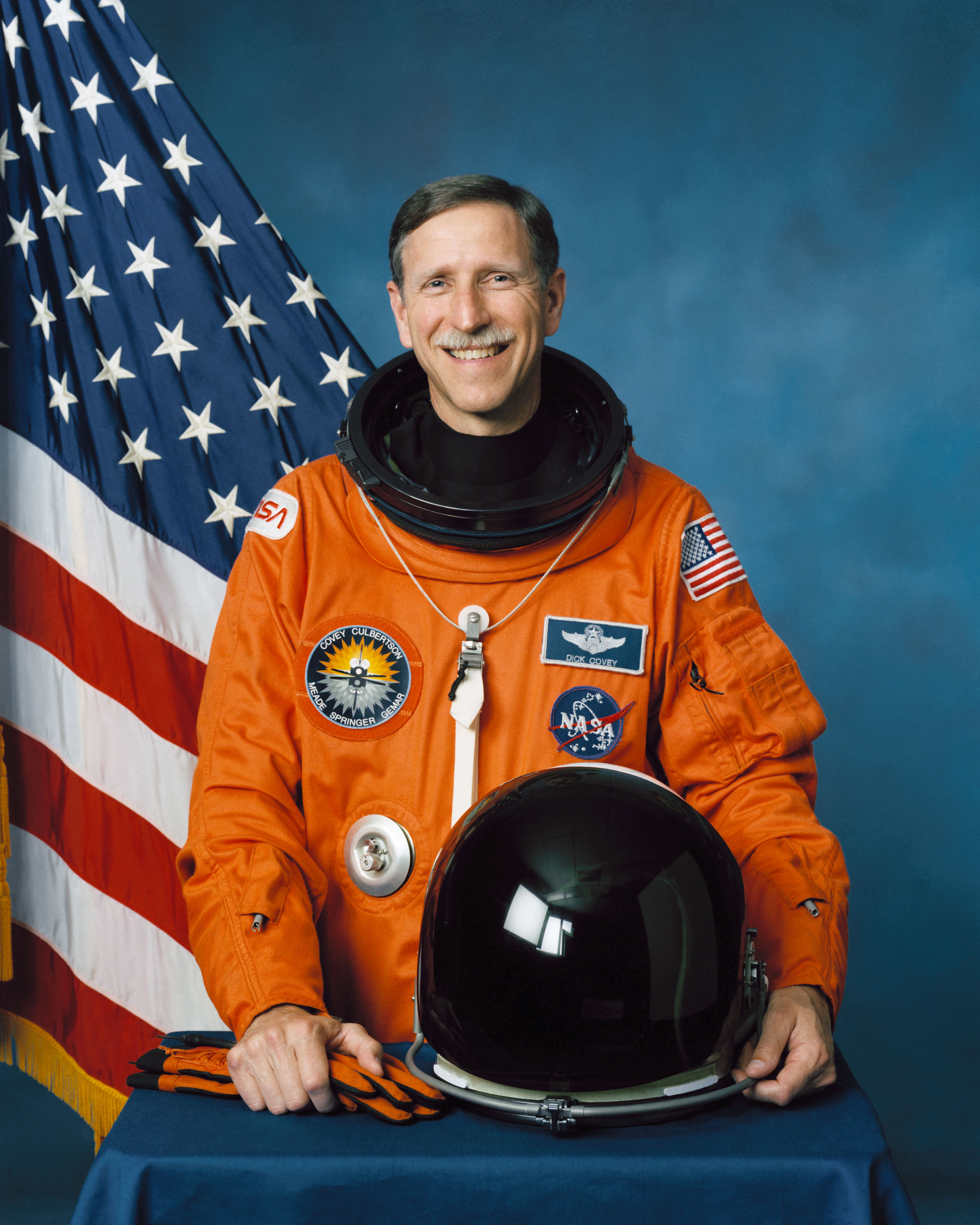 Richard Oswalt Coveyprime crewPilotLaunched September 29, 1988Returned October 3, 19884 days, 1 hour, 11 secondsPilot aboard STS-26 flight stack.Open astronaut archive
Mission Purpose
2 sources- Return the Space Shuttle fleet to flight after the Challenger accident.
- Deploy the TDRS-C tracking and data relay satellite with an Inertial Upper Stage.
- Demonstrate redesigned and revised shuttle launch, ascent, crew-suit, and safety procedures.
- Conduct secondary experiments and systems checks during the first post-Challenger shuttle mission.
Planned Flight Plan
2 sources- Launch
Return to flight
Discovery launched from Launch Complex 39B with an all-veteran crew and revised launch/entry safety procedures.
- Early mission
TDRS-C deployment
The crew deployed TDRS-C and its Inertial Upper Stage from Discovery's payload bay.
- Orbit
Research and checkout
The crew completed secondary payloads, systems monitoring, and return-to-flight operations.
- Landing
Edwards landing
Discovery returned to Earth at Edwards Air Force Base.
Mission Timeline
2 sources- September 29, 1988
Return-to-flight launch
Discovery lifted off with the first crewed United States orbital mission since Challenger.
- Flight day 1
TDRS-C deployed
The relay satellite and Inertial Upper Stage departed Discovery and reached the planned transfer trajectory.
- On orbit
Requalified operations
The crew checked redesigned systems, pressure suits, and updated flight procedures while conducting experiments.
- October 3, 1988
Landing
Discovery completed the return-to-flight mission at Edwards Air Force Base.
Open operation record