Crewed spacecraftExpended
STS-51-L flight stack
Mission-specific Space Shuttle flight stack

Vehicle and mission dossier
STS-51-L
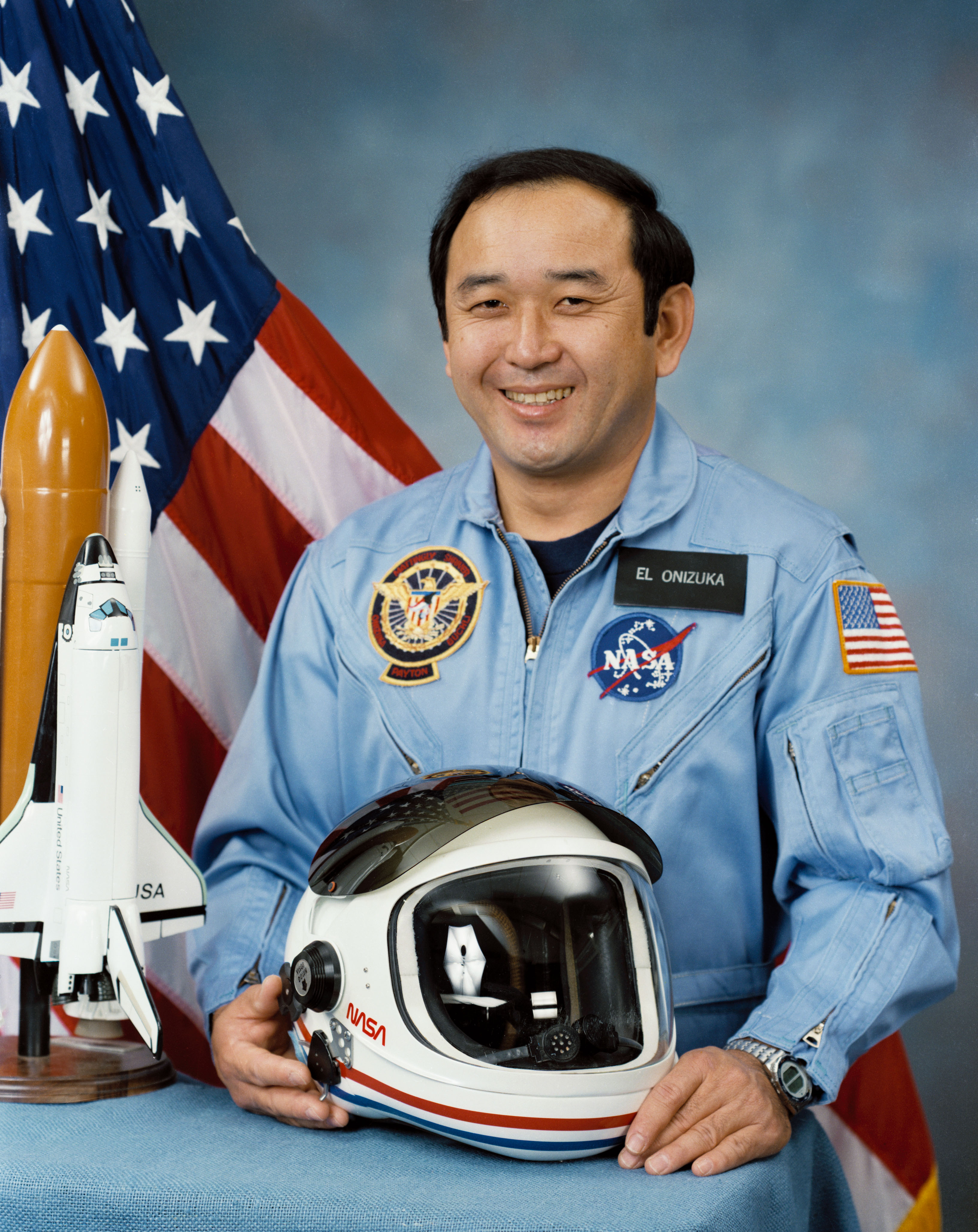
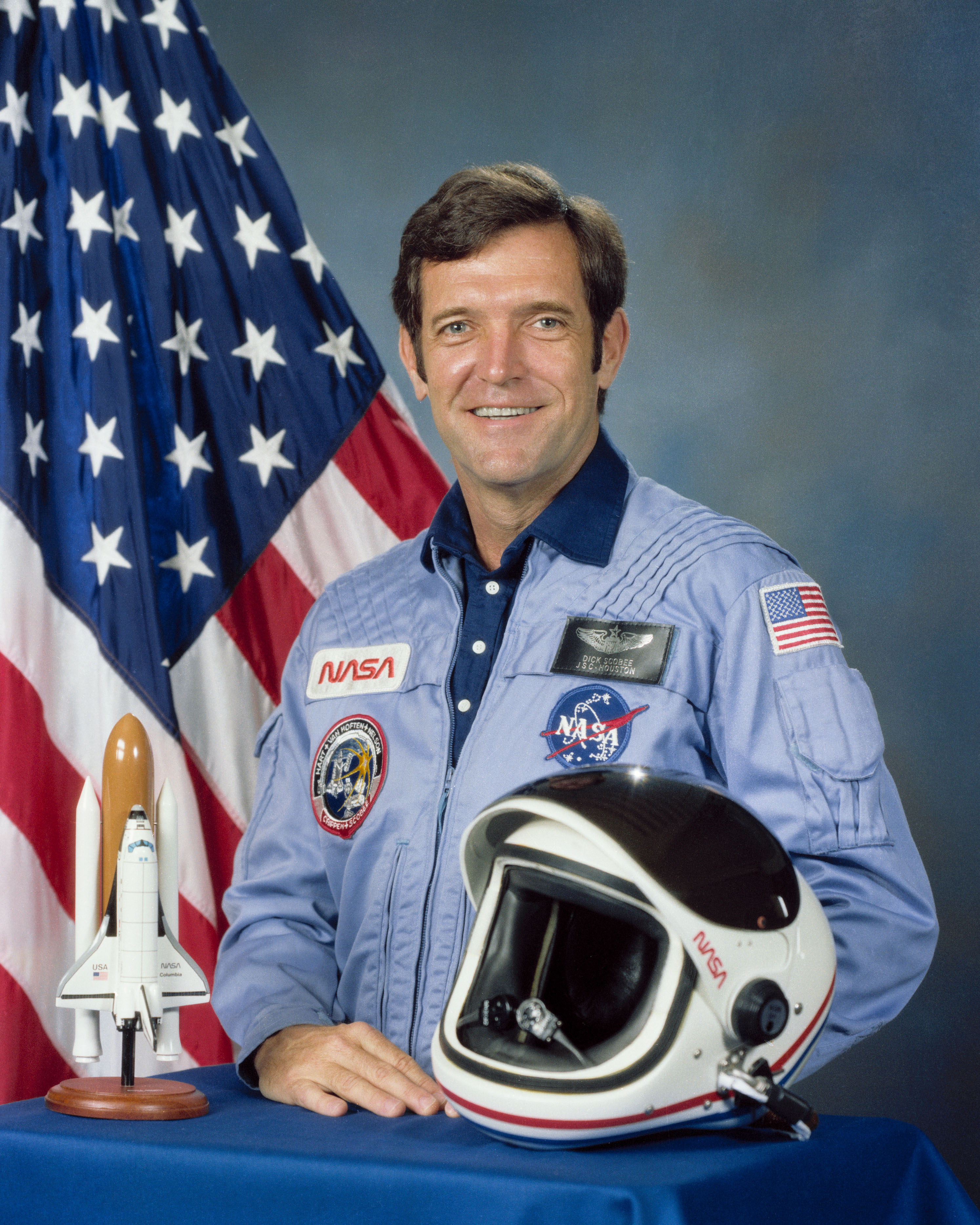
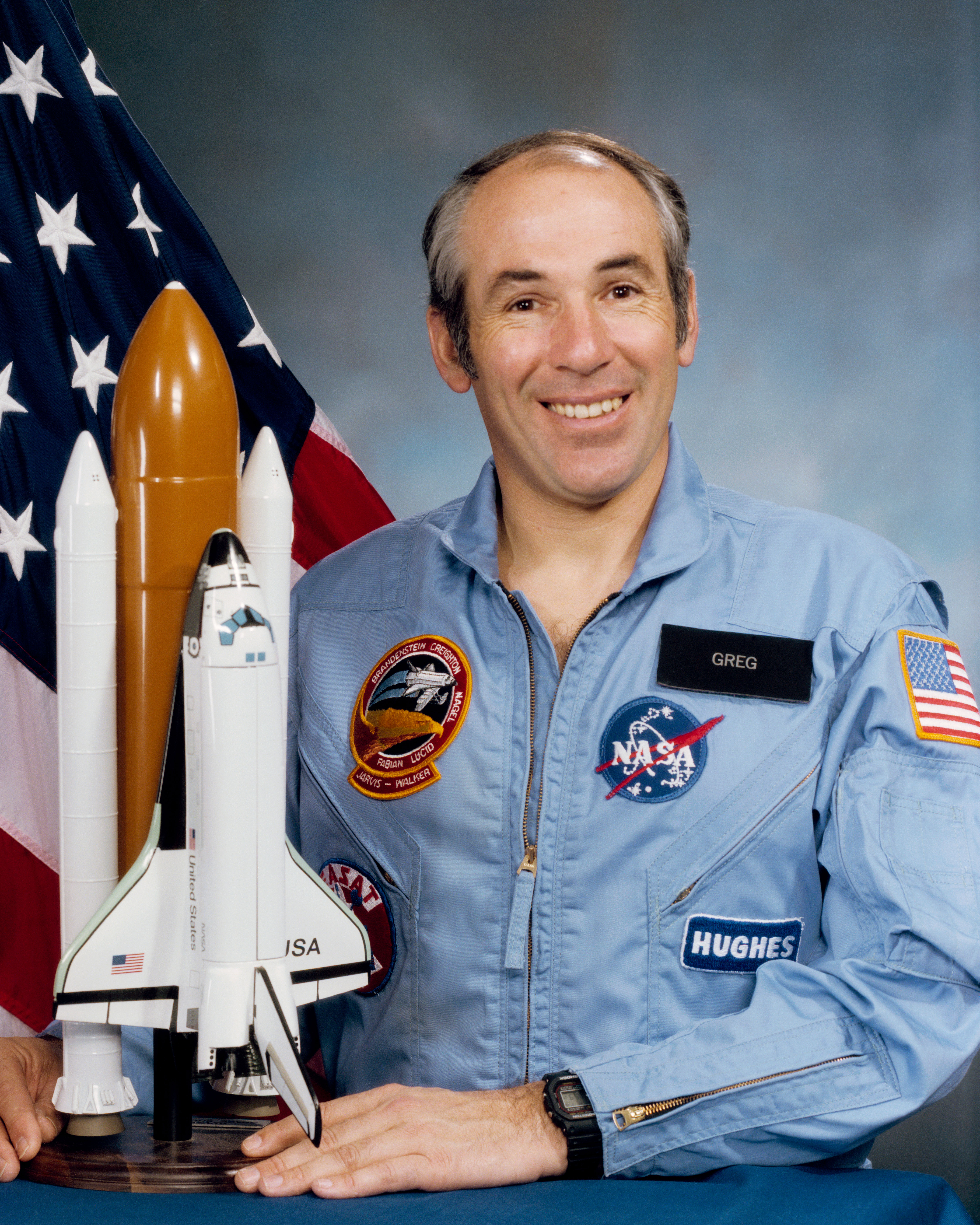
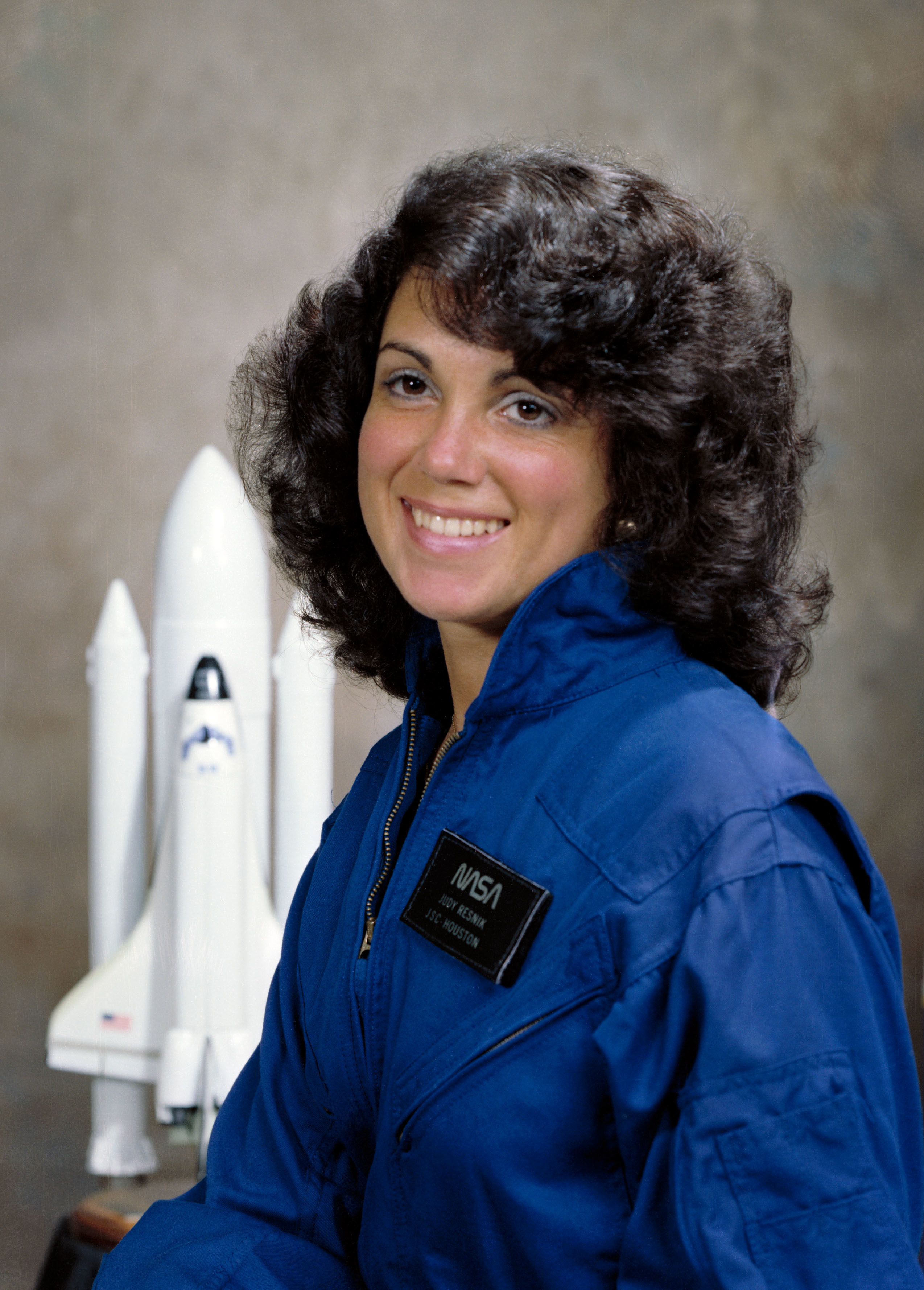
STS-51-L ended 73 seconds after launch when a seal failure in the right allowed hot gas to breach the external tank area, leading to Challenger's breakup and the loss of all seven crew members. The planned TDRS-B deployment, Spartan-Halley observations, and Teacher in Space lessons were never performed; the accident led to an extensive investigation and major Shuttle redesign and management reforms.
Flight profile
- Launch
- January 28, 1986
Places and recovery
Vehicle record
- Orbiter
- Space Shuttle Challenger
- Mission or test
- STS-51-L
- Configuration
- , external tank, two solid rocket , and three main engines
- Status
- Mission hardware disposition recorded by component
- Achieved duration
- 73 seconds
- Planned duration
- 6 days, 34 minutes
- Crew and station travelers
- 7
- Outcome
- Challenger and its seven-person crew were lost 73 seconds after launch
Flight objectives
- Deploy the TDRS-B tracking and data relay satellite using an Inertial Upper .
- Deploy, separate from, with, and retrieve the Spartan-Halley free-flying astronomy platform.
- Operate the CHAMP comet-observation payload and the fluid-dynamics experiment assigned to Gregory Jarvis.
- Record and broadcast Teacher in Space classroom lessons from orbit.
Flight timeline
- January 28, 1986LaunchChallenger lifted off from Kennedy Space Center after a cold night.
- 73 seconds after launchVehicle breakupA right- field-joint seal failure led to structural breakup; all seven crew members were lost.
- Following monthsInvestigationThe Rogers Commission examined technical causes, decision-making, and organizational failures.
- September 29, 1988Return to flightThe Shuttle program resumed with redesigned boosters and operational reforms on STS-26.