Crewed spacecraftExpended
STS-93 flight stack
Mission-specific Space Shuttle flight stack

Vehicle and mission dossier
STS-93
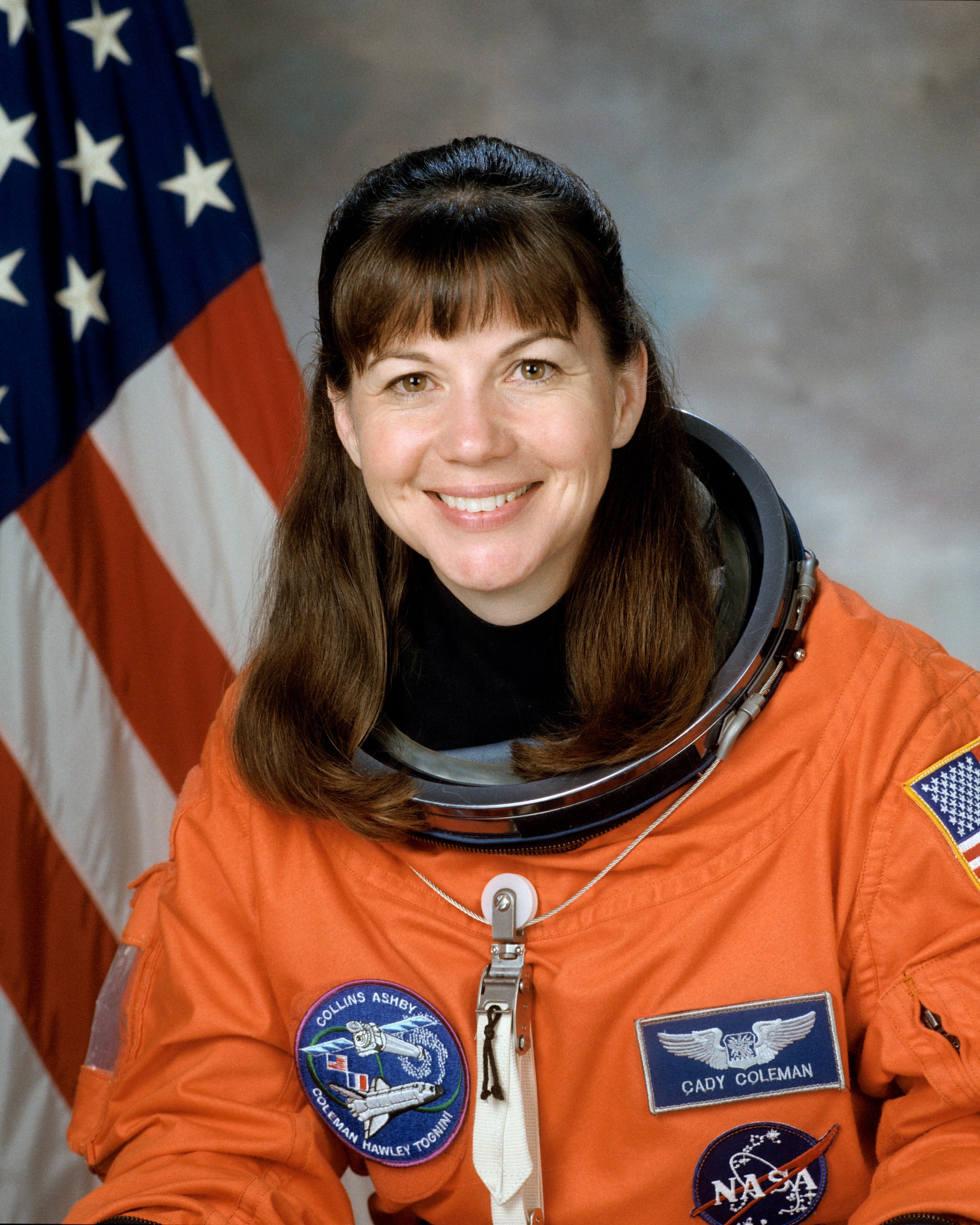
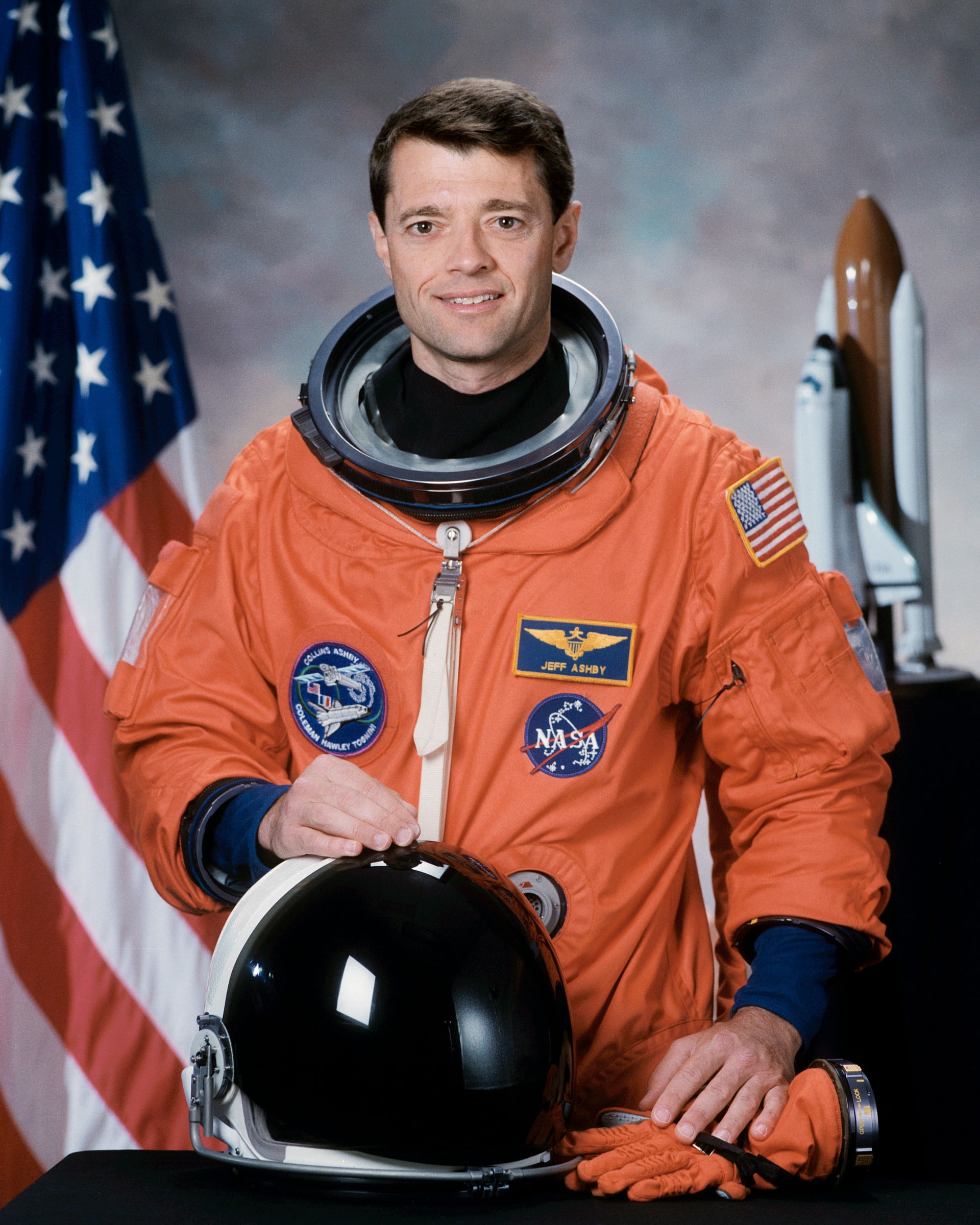
STS-93 deployed the Chandra X-ray Observatory and its Inertial Upper , beginning the observatory's journey to a highly elliptical orbit. Eileen Collins became the first woman to command a Space Shuttle mission, while Chandra's mirrors and instruments gave astronomers exceptionally sharp views of energetic cosmic phenomena.
Flight profile
- Launch
- July 23, 1999
- Landing
- July 28, 1999
- Mission duration
- 4d 22h 49m
Places and recovery
Vehicle record
- Orbiter
- Space Shuttle Columbia
- Mission or test
- STS-93
- Configuration
- , external tank, two , and three main engines
- Status
- Mission hardware disposition recorded by component
- Mission type
- Satellite or observatory deployment and operations
- Crew and station travelers
- 5
- Program
- Space Shuttle
- Crew complement
- 5
- Outcome
- Completed
- Archive classification
- Human spaceflight
- Primary objective
- Space Shuttle Columbia mission that deployed the Chandra X-ray Observatory.
Flight objectives
- Launch Columbia and its crew safely into .
- Space Shuttle Columbia mission that deployed the Chandra X-ray Observatory.
- Complete the mission's assigned payload, , research, deployment, servicing, or logistics work.
- Return Columbia and the landing crew safely to Earth.
Flight timeline
- July 23, 1999LaunchColumbia launched with Eileen Collins in command.
- About seven hours after launchChandra deployedThe observatory and IUS left the payload bay.
- Transfer sequenceHigh orbit reachedTwo IUS burns and Chandra propulsion moved the observatory toward its operational orbit.
- July 27, 1999LandingColumbia returned after successfully releasing NASA's X-ray observatory.