Courses / Space exploration around the world Spaceflight history and programs · A guided course
Space exploration around the world Follow capabilities and partnerships across borders
Explore Europe, Japan, India, China, Canada and a wider global network through their institutions, program goals, shared missions and everyday space services.
Start learning Suggested preparation is listed in the course · Start whenever you’re ready
Read learner reviews ↓
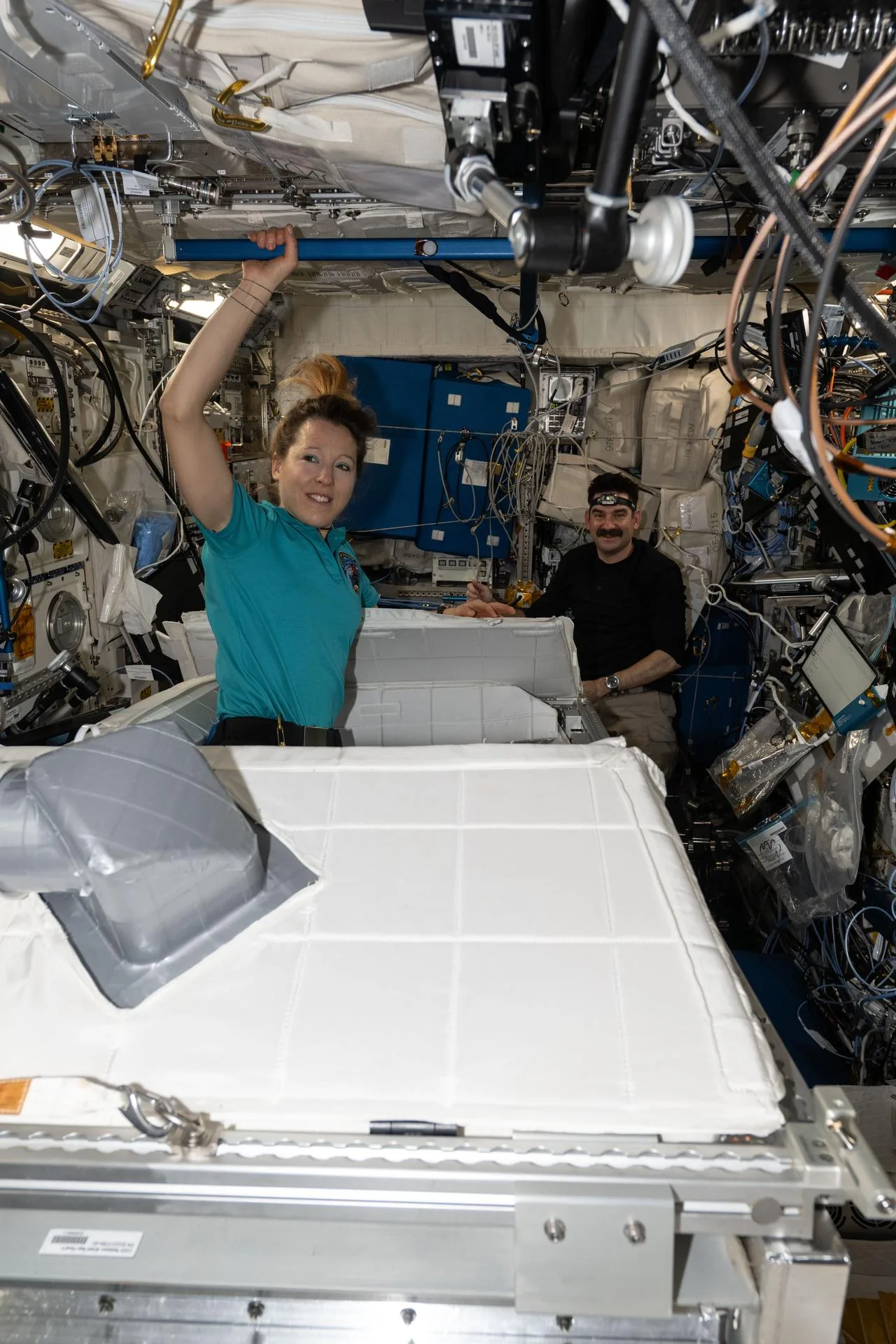
NASA/Jessica Meir · Image source Your place in the bigger picture
How this course connects Build on familiar ideas, then choose a direction to explore next. Every course remains open.
Explore other learning paths → 02 You are here Space exploration around the world
Follow capabilities and partnerships across borders
6 lessons · 48 min Loading progress…
Start whenever you’re ready. Preparation is suggested, and every course stays open.
03 Next directions2 more directions Trace the full preparation path 16 courses One suggested order from the foundations to Space exploration around the world. Shared starting points appear once; skip anything you already know.
Loading progress… Loading progress… Loading progress… Loading progress… Loading progress… Loading progress… Loading progress… Loading progress… Loading progress… Loading progress… Loading progress… Loading progress… Loading progress… Loading progress… Loading progress… Loading progress… Then: Space exploration around the world →
Correct answer +10
Lesson complete +25
All lessons complete +100
Final challenge +50 Earn each reward once. Retries never cost points.
Loading saved points… View your learning awards →
Inside this course 6 lessons Each lesson builds on the last. Read the story, explore the sources, and check your understanding.
0 of 6 lessons complete
— / 530 points Earned in this course
01 European cooperation Understand European cooperation without merging its institutions Distinguish agencies, public programs and the partners behind them. 8 min · Read · Practice 02 Japan's scientific and exploration programs Connect Japan’s science, exploration and station work See how different mission types develop complementary capabilities. 8 min · Read · Practice 03 India's programs and applications Read India’s program through its applications and exploration Connect public uses, launch systems and mission-specific achievements. 8 min · Read · Practice 04 China's space development Distinguish the strands of China’s space development Use program names and dated records to separate capabilities and plans. 8 min · Read · Practice 05 Canadian robotics and scientific partnerships Understand Canada’s contributions beyond a launch count Connect satellite science, radar services and robotic systems. 8 min · Read · Practice 06 Contributions across africa, latin america, the middle east, and other regions Look for space activity across the whole world Use examples from services, partnerships and small missions to widen the map. 8 min · Read · Practice Put it all together Space exploration around the world challenge 5 questions · 8 min · Final review Where this course fits → No account is needed to learn. Your correct answers keep their earned rewards.
What you’ll understand Distinguish national agencies, named programs, individual missions and partner roles. Compare contributions beyond launch counts and astronaut portraits. Read dated official records without turning proposals into completed outcomes. Take one lesson at a time. Study the evidence, work through a question, and check your understanding along the way. A final challenge connects ideas across all 6 lessons. Follow the source links whenever you want to go further.
Browse the archive → Loading reviews…
Sign in to review this course . Complete a lesson check and save it to your account first.
Show reviews in All languages English Español / Spanish Français / French Deutsch / German Português / Portuguese 中文 / Chinese 日本語 / Japanese 한국어 / Korean Русский / Russian العربية / Arabic हिन्दी / Hindi Other / not specified Languages are chosen by reviewers. Ratings above include all languages.