Crewed spacecraftExpended
STS-107 flight stack
Mission-specific Space Shuttle flight stack

Vehicle and mission dossier
STS-107
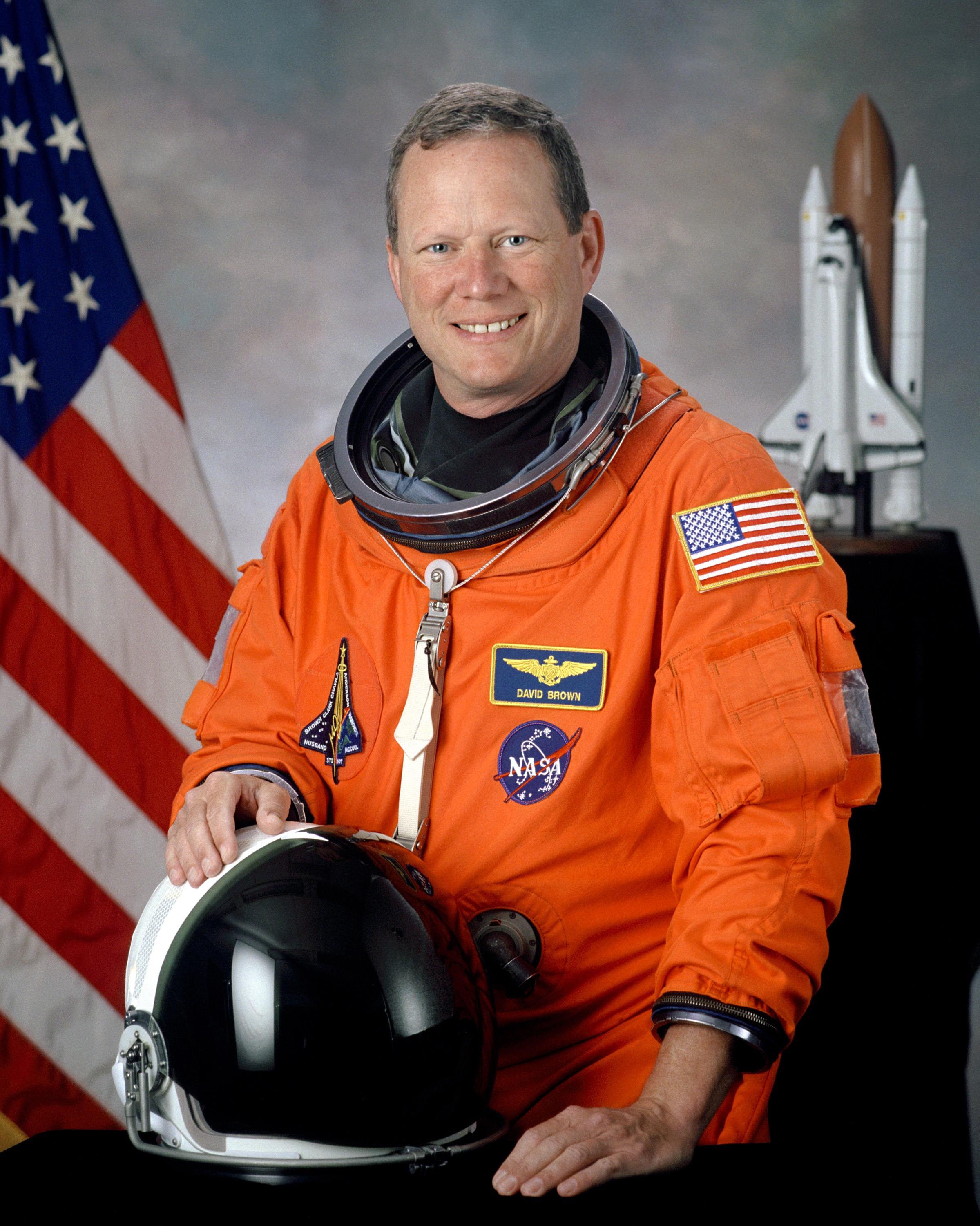
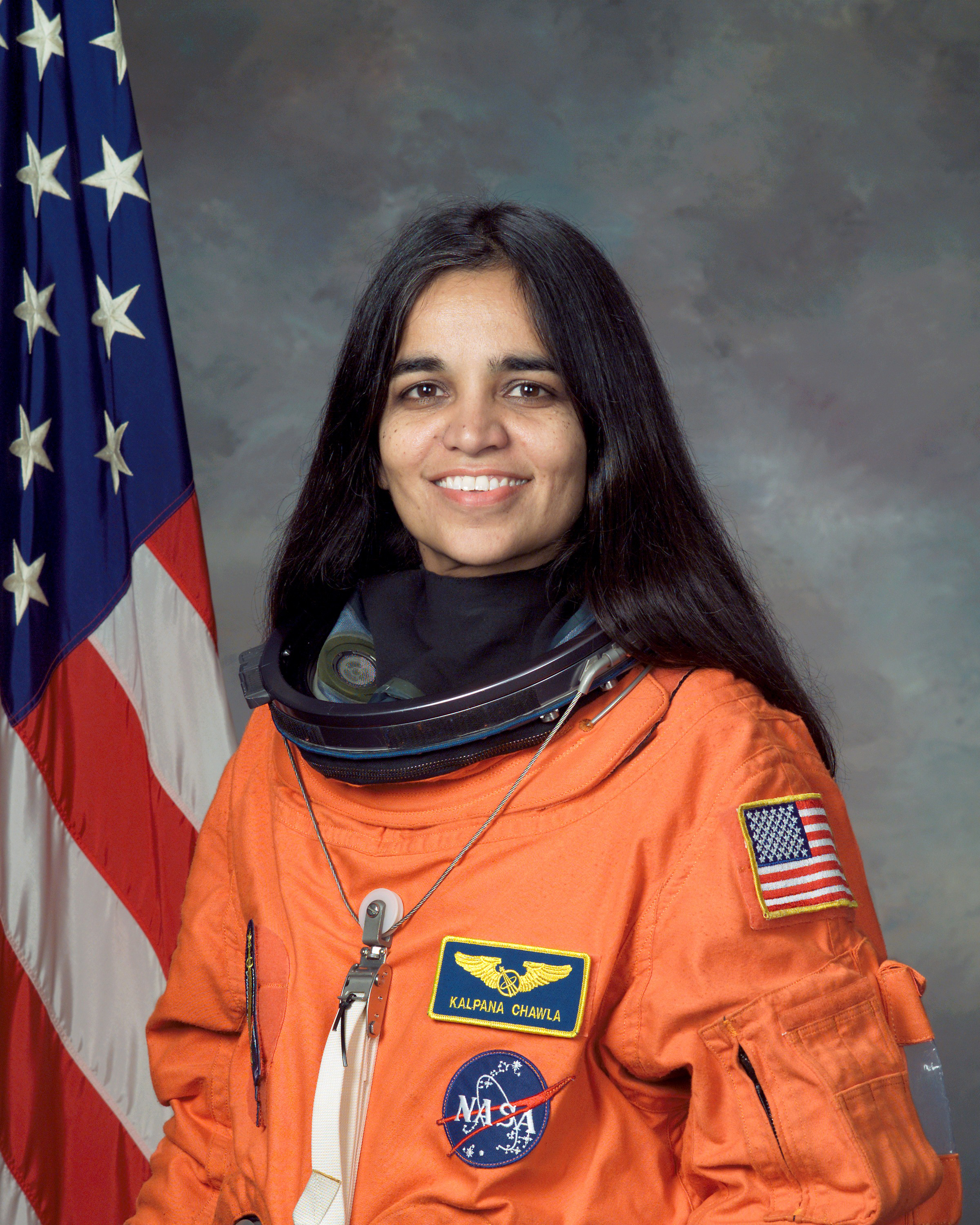
STS-107 conducted sixteen days of around-the-clock research in SPACEHAB and the FREESTAR payload, spanning life science, materials, combustion, , and technology. Columbia and its seven astronauts were lost during on February 1, 2003, after ascent debris had damaged the 's left wing.
Flight profile
- Launch
- January 16, 2003
- Mission duration
- 15 days, 22 hours, 20 minutes, 32 seconds
- Orbits
- 255
- Inclination
- 39.0 degrees
Places and recovery
Vehicle record
- Orbiter
- Space Shuttle Columbia
- Mission or test
- STS-107
- Configuration
- Orbiter, external tank, two , and three main engines
- Status
- Mission hardware disposition recorded by component
- Reentry loss
- February 1, 2003
- Mission type
- Microgravity research
- Crew and station travelers
- 7
Flight objectives
- Conduct microgravity, life-science, physical-science, Earth-observation, and technology experiments.
- Operate the Spacehab Research Double Module as a dedicated research laboratory.
- Support international research payloads, including Israeli science investigations.
- Return Columbia and experiment results after the planned research mission.
Flight timeline
- January 16, 2003LaunchColumbia began a dedicated sixteen-day research mission.
- Orbital missionContinuous researchTwo crew shifts operated SPACEHAB and FREESTAR experiments around the clock.
- February 1, 2003Loss of ColumbiaThe broke apart during after left-wing damage sustained at launch.
- After the accidentInvestigation and redesignThe Shuttle fleet was grounded while investigators determined causes and NASA changed hardware and operations.