Crewed spacecraftExpended
STS-95 flight stack
Mission-specific Space Shuttle flight stack

Vehicle and mission dossier
STS-95
STS-95 returned Mercury astronaut John Glenn to space at age 77, making him the oldest person then to fly in orbit. Discovery's research program compared aspects of aging and spaceflight, deployed and retrieved SPARTAN-201 for solar observations, and operated SPACEHAB experiments in biology, materials, and technology.
Flight profile
- Launch
- October 29, 1998
- Landing
- November 7, 1998
- Mission duration
- 9 days, 19 hours, 54 minutes, 2 seconds
- Inclination
- 28.45 degrees
Places and recovery
Vehicle record
- Orbiter
- Space Shuttle Discovery
- Mission or test
- STS-95
- Configuration
- , external tank, two , and three main engines
- Status
- Mission hardware disposition recorded by component
- Mission type
- Bioscience research and astronomy
- Crew and station travelers
- 7
Flight objectives
- Conduct Spacehab life-science and aging-related research, including investigations involving John Glenn.
- Deploy and retrieve Spartan 201 for solar-wind and solar-corona observations.
- Operate astronomy, materials, biological, and technology payloads.
- Support international crew science participation by Japan and Spain.
Flight timeline
- October 29, 1998LaunchDiscovery launched John Glenn on his second spaceflight.
- Early missionSPARTAN-201 deployedThe observatory began independent solar-corona observations.
- Research campaignAging studies conductedGlenn and the crew supported life-science and SPACEHAB investigations.
- November 7, 1998LandingDiscovery returned Glenn, SPARTAN, samples, and experiment data.
People Who Flew Aboard This Spacecraft
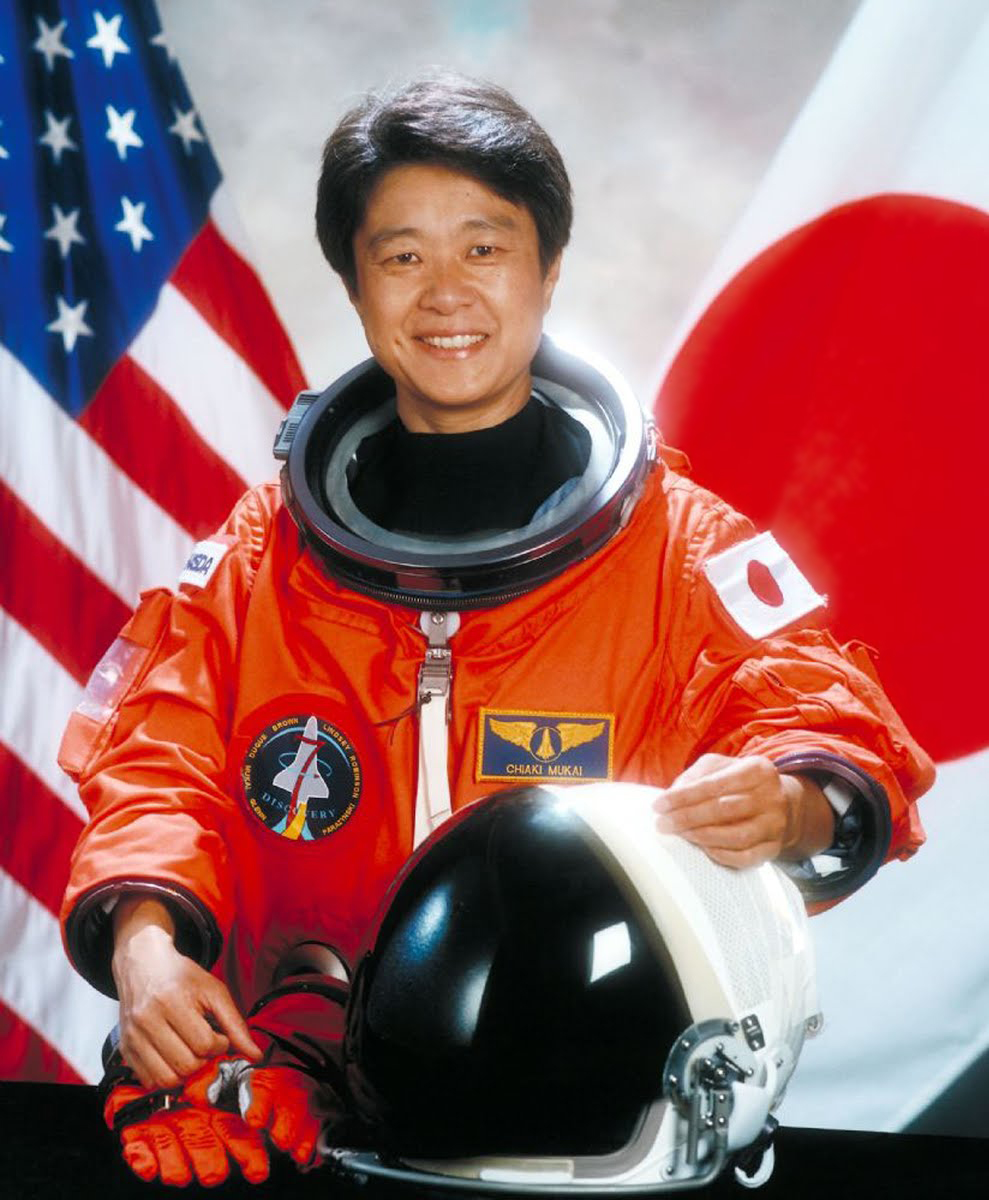 Chiaki MukaiSTS-95 / Payload Specialist
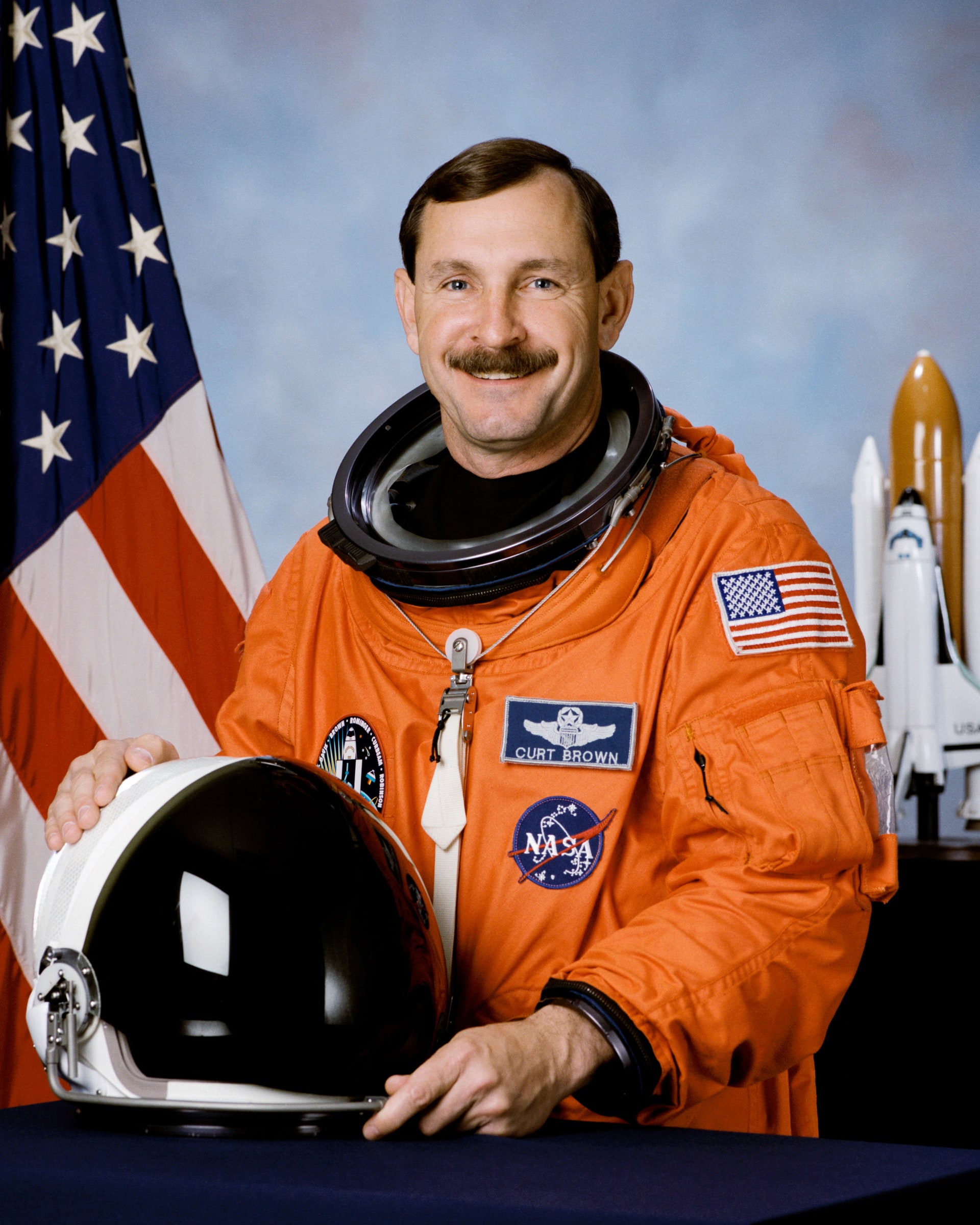 Curtis L. Brown Jr.STS-95 / Commander
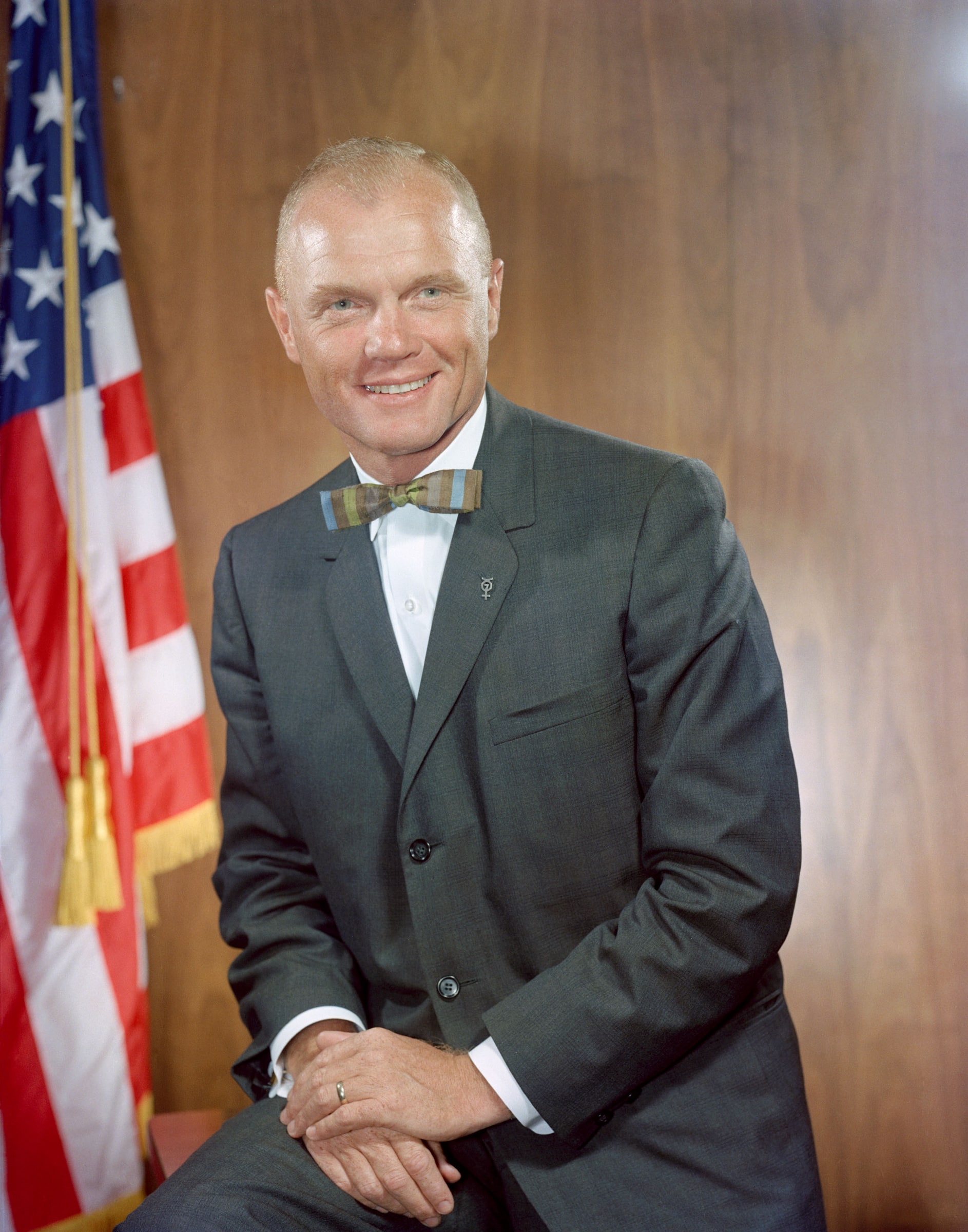 John H. Glenn Jr.STS-95 / Payload Specialist
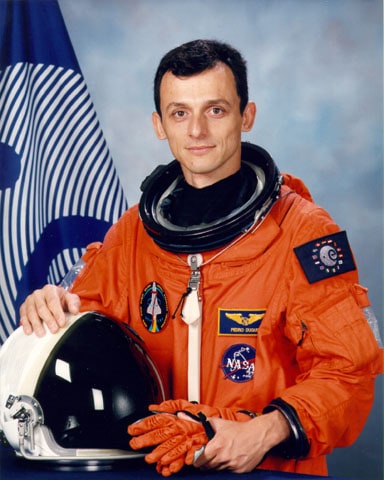 Pedro Francisco Duque DuqueSTS-95 / Mission Specialist
 Scott E. ParazynskiSTS-95 / Mission Specialist
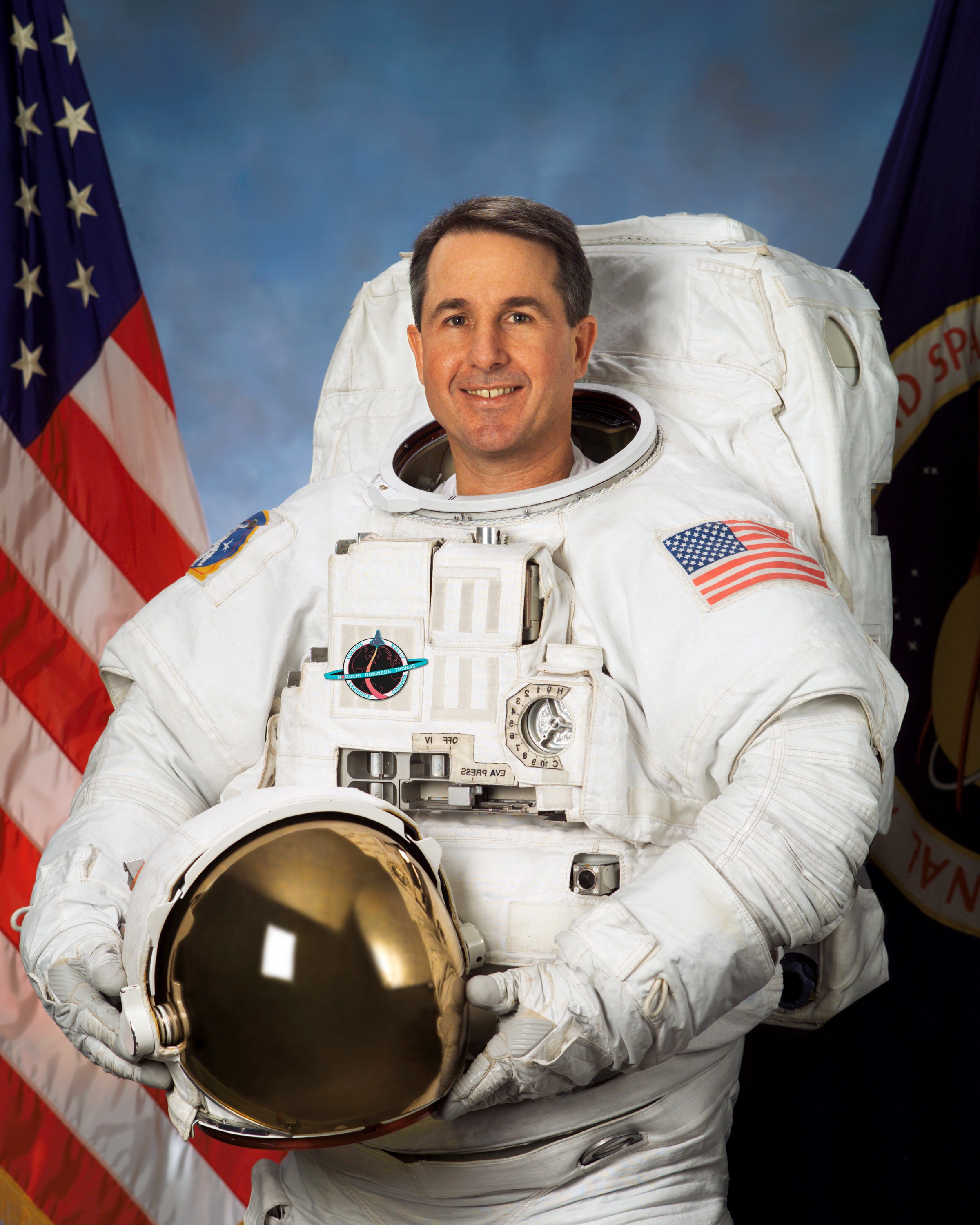 Stephen K. RobinsonSTS-95 / Mission Specialist
 Steven Wayne LindseySTS-95 / Pilot